Do you want to translate your PrestaShop store but don’t know which language to start with? That’s completely normal!
In this article, we examine the key factors to consider for selecting the most relevant languages for your e-commerce.
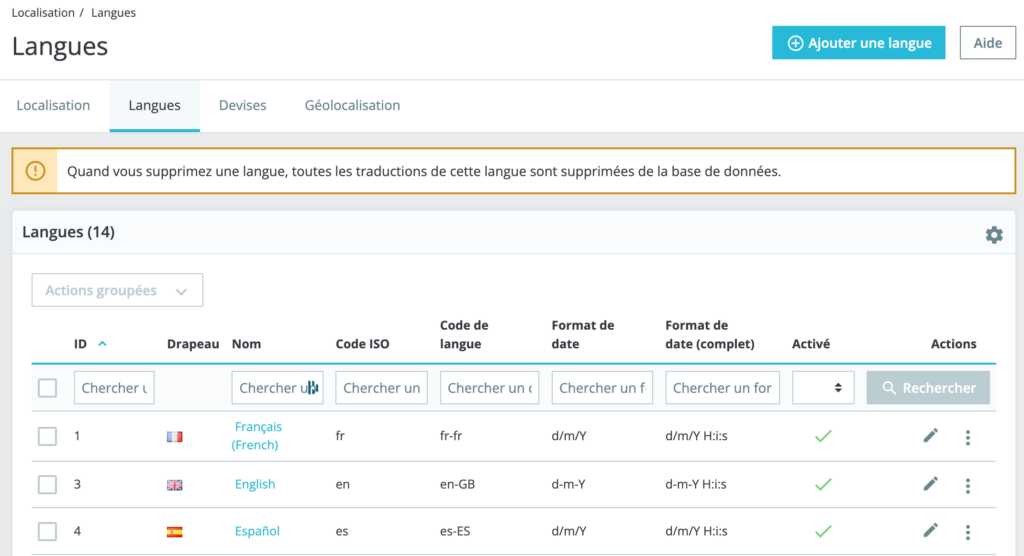
English, the standard language in e-commerce
When it comes to internationalizing your PrestaShop store, English stands out as the first language to consider after your native language. Being the most common language, it is an essential choice for any e-commerce expansion strategy.
English is generally easier to implement than other languages. Resources, translation tools and expertise are widely available. By translating your site into English, you can reach the United States, the United Kingdom and European countries accustomed to English like the Netherlands - all with a single investment.
- Global coverage - USA, UK, Australia, Canada, Northern Europe
- Abundant and affordable translation resources
- Unlocks multiple markets with a single language investment
Strategic European languages
After establishing a presence in English, it is wise to turn to strategic European languages for your PrestaShop store. Europe, with its single market and strong purchasing power, offers significant opportunities for e-commerce.
Nevertheless, remember to accept currencies other than the euro €. Here are the languages to consider as a priority:
German 🇩🇪
German is the most spoken language in the European Union and represents the continent’s largest economy. The German e-commerce market is mature, with consumers accustomed to online shopping and demanding in terms of service quality. Key points:
- Most important e-commerce market in Europe
- Consumers with strong purchasing power
- Potential for expansion to Austria and part of Switzerland
Italian 🇮🇹
Italy has a rapidly expanding e-commerce market, with strong growth potential. Italian consumers are increasingly inclined to make online purchases. Key points:
- Rapidly growing e-commerce market
- Strong attachment to low prices
- Opportunity to stand out from the competition
Spanish 🇪🇸
Although already mentioned as a standard language, Spanish deserves special attention in Europe. Spain represents an important market, with constantly evolving online consumption habits. Key points:
- Fourth economy of the eurozone
- Bridge to Latin American markets
- Sustained growth in e-commerce
Portuguese 🇵🇹
Portuguese opens the doors to the Portuguese market, but also potentially to Brazil, an e-commerce giant in South America. Key points:
- Growing Portuguese market
- Potential access to the rapidly expanding Brazilian market
- Large Portuguese diaspora in several European countries
- Amazon does not prioritize this market and is only present with a .es domain.
Dutch 🇳🇱
The Netherlands has one of the highest e-commerce penetration rates in Europe. Key points:
- Consumers very accustomed to online shopping
- Highly developed logistics infrastructure
- Potential for expansion to Dutch-speaking Belgium
Don’t forget Eastern European countries
When expanding your PrestaShop store in Europe, it would be a mistake to neglect the emerging markets of Eastern Europe. These countries present significant growth potential for e-commerce, with an increasingly connected population and rising purchasing power. Moreover, your competitors are much less likely to be present there. This is a huge competitive advantage. Here are the languages and markets to consider:
Polish 🇵🇱
Poland is the largest market in Central and Eastern Europe, with a rapidly growing economy. Key points:
- Population of nearly 38 million inhabitants
- E-commerce market in full expansion
- Consumers increasingly inclined to online shopping
Czech 🇨🇿
The Czech Republic has one of the highest internet penetration rates in Central Europe. Key points:
- Stable and developed economy
- High adoption rate of online commerce
- High purchasing power compared to other countries in the region
Hungarian 🇭🇺
Hungary presents a rapidly growing e-commerce market. Key points:
- Constant increase in online sales
- Young and tech-savvy population
- Opportunities for foreign brands
Romanian 🇷🇴
Romania offers a developing market with strong growth potential. Key points:
- Second largest country in Eastern Europe after Poland
- Rapid growth in digital adoption
- Opportunities in major cities
Slovenian 🇸🇮
Slovenia, although a small country, offers an interesting and growing e-commerce market. Key points:
- Highly educated and tech-savvy population
- Internet penetration rate among the highest in Central and Eastern Europe
- Relatively high purchasing power compared to other countries in the region
- EU and eurozone member, facilitating transactions
- Strong growth potential for e-commerce, still underdeveloped compared to Western Europe
- Consumers open to foreign brands and new trends
Prioritize countries where Amazon is not established
In your PrestaShop store internationalization strategy, it may be wise to prioritize countries where Amazon does not yet have a dominant presence. This approach offers unique opportunities to establish your brand and gain market share without intense competition.
Here are some European countries where Amazon is not yet firmly established:
- Belgium
- Nordic countries (Sweden, Denmark, Finland, Norway)
- Portugal
- Poland
- Czech Republic
Test, test, test!
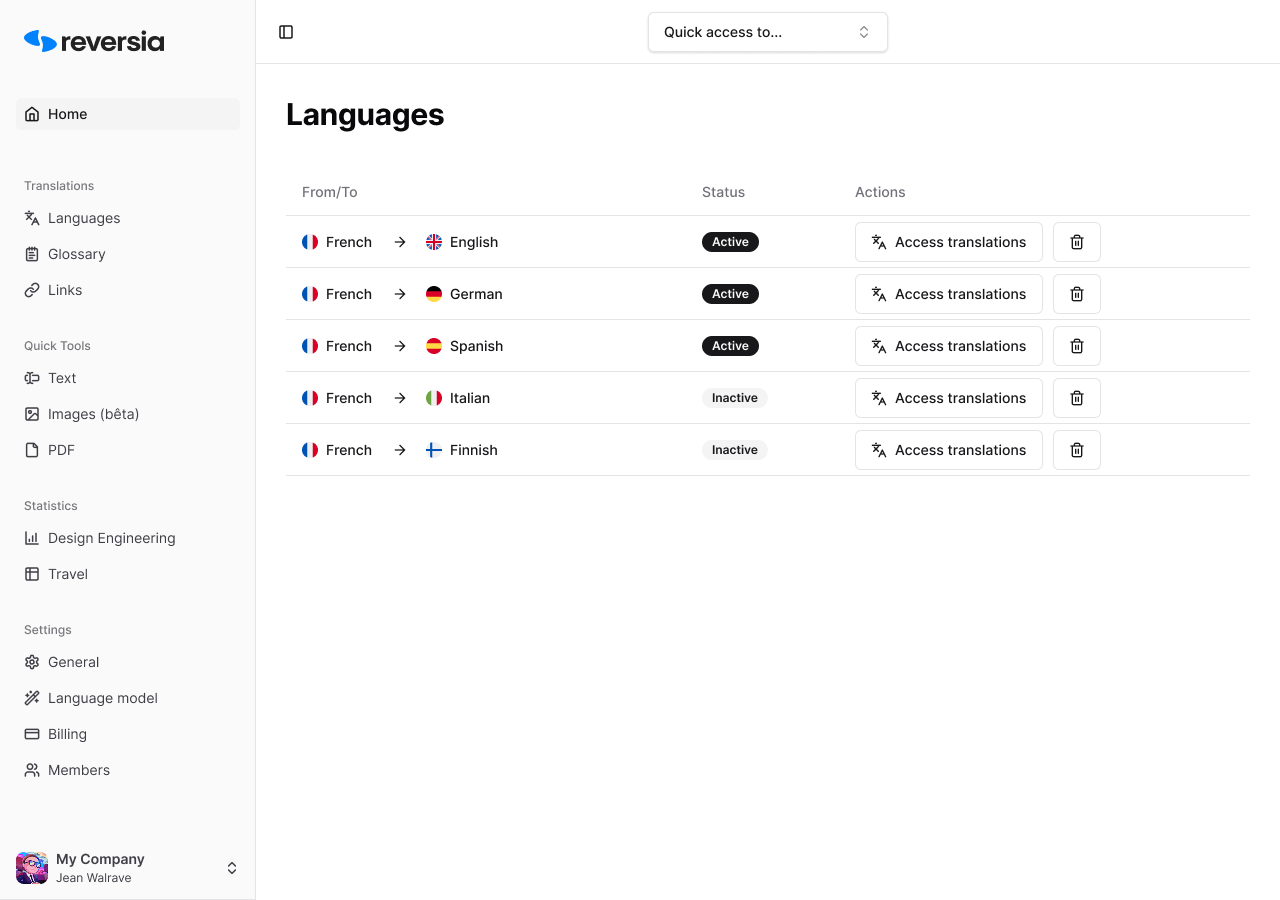
The internationalization of your PrestaShop store is not an exact science. Each market is unique, and what works in one country may fail in another.
The most effective approach is to adopt a continuous experimentation mindset. Start by testing your translations and experimenting with different formulations for your product titles, descriptions and calls to action.
- Test different product title and description formulations
- Measure the impact of local payment methods on conversion rates
- Experiment with free, express or economy delivery options per country
- Test free delivery thresholds and their impact on average basket size
- Be patient - give tests enough time to collect meaningful data
If you want to discover more advice on translating your PrestaShop store, don’t hesitate to consult our guide on this subject.